You do not need to memorise a Portuguese dictionary to pass the CIPLE. You need the right words — the ones that actually appear in A2-level reading texts, listening recordings, and writing prompts.
The problem with most vocabulary lists is that they are built for general language learning, not for this exam. You spend hours on words that never show up on exam day and miss the ones that do. This guide gives you the 300 core words the CIPLE A2 tests, grouped by the exam's own topic areas. If you are 4–12 weeks out from your exam date, this is where to focus.
Why vocabulary matters more than you think
The CIPLE tests four skills — reading, writing, listening, and speaking — across three components (Reading & Writing 45%, Listening 30%, Speaking 25%). There is no separate grammar or vocabulary section: both are woven through everything. Weak vocabulary quietly drags your score in all three components at once, which is why a focused word bank is one of the highest-return things you can build in the final weeks.
How the CIPLE organises topics
The exam is built around everyday communicative situations — not abstract or literary language. Your vocabulary study should mirror those situations, not march through an alphabetical list. The topic areas below reflect the themes that appear consistently in CIPLE A2 materials; within each, the words are high-frequency.
The 300 words by topic area
Personal information and identity
- pessoa (person)
- família (family)
- marido (husband)
- mulher/esposa (wife)
- filho (son)
- filha (daughter)
- irmão (brother)
- irmã (sister)
- criança (child)
- bebé (baby)
- amigo (friend)
- vizinho (neighbour)
- colega (colleague)
- senhor/senhora (Mr/Mrs — essential for polite address)
- nome (name)
- apelido (surname)
- morada (address)
- nacionalidade (nationality)
- data de nascimento (date of birth)
- cartão de cidadão (citizen card — the current Portuguese ID)
- bilhete de identidade (the older ID term you will still meet in materials)
- passaporte (passport)
- reformado (retired — appears constantly in A2 texts about people)
- alto (tall)
- baixo (short)
- jovem (young)
- velho (old)
- simpático (friendly)
- tímido (shy)
Home and daily life
- casa (house)
- apartamento (apartment)
- quarto (bedroom)
- sala (living room)
- cozinha (kitchen)
- casa de banho (bathroom — European Portuguese; not banheiro)
- jardim (garden)
- andar (floor/storey)
- rés-do-chão (ground floor)
- chave (key)
- elevador (lift)
- renda (rent)
- cama (bed)
- mesa (table)
- cadeira (chair)
- sofá (sofa)
- janela (window)
- porta (door)
- armário (wardrobe)
- frigorífico (fridge — not geladeira)
- acordar (to wake up)
- levantar-se (to get up)
- tomar banho / tomar um duche (to bathe / to shower)
- pequeno-almoço (breakfast — not café da manhã)
- almoço (lunch)
- jantar (dinner)
- deitar-se (to go to bed)
- dormir (to sleep)
- limpar (to clean)
- cozinhar (to cook)
- lavar (to wash)
- arrumar (to tidy)
- fazer compras (to do the shopping)
Work and study
- trabalho (work/job)
- emprego (employment/job)
- empresa (company)
- escritório (office)
- loja (shop)
- escola (school)
- hospital (hospital)
- médico (doctor)
- professor (teacher)
- enfermeiro (nurse)
- secretária (secretary)
- trabalhar (to work)
- estudar (to study)
- aprender (to learn)
- ensinar (to teach)
- reunião (meeting)
- horário (schedule)
- salário (salary)
- contrato (contract)
- férias (holidays — constant in A2 texts)
- feriado (public holiday)
Health and the body
- cabeça (head)
- braço (arm)
- perna (leg)
- mão (hand)
- pé (foot)
- costas (back)
- estômago (stomach)
- garganta (throat)
- olho (eye)
- ouvido (ear)
- doente (ill)
- dor (pain)
- febre (fever)
- tosse (cough)
- gripe (flu)
- constipação (a cold — classic European Portuguese false friend)
- consulta (appointment)
- marcar uma consulta (to book an appointment — the phrase exam dialogues love)
- farmácia (pharmacy)
- medicamento (medicine)
- receita (prescription)
- bem (well)
- mal (unwell)
- cansado (tired)
- melhor (better)
- pior (worse)
Food and drink
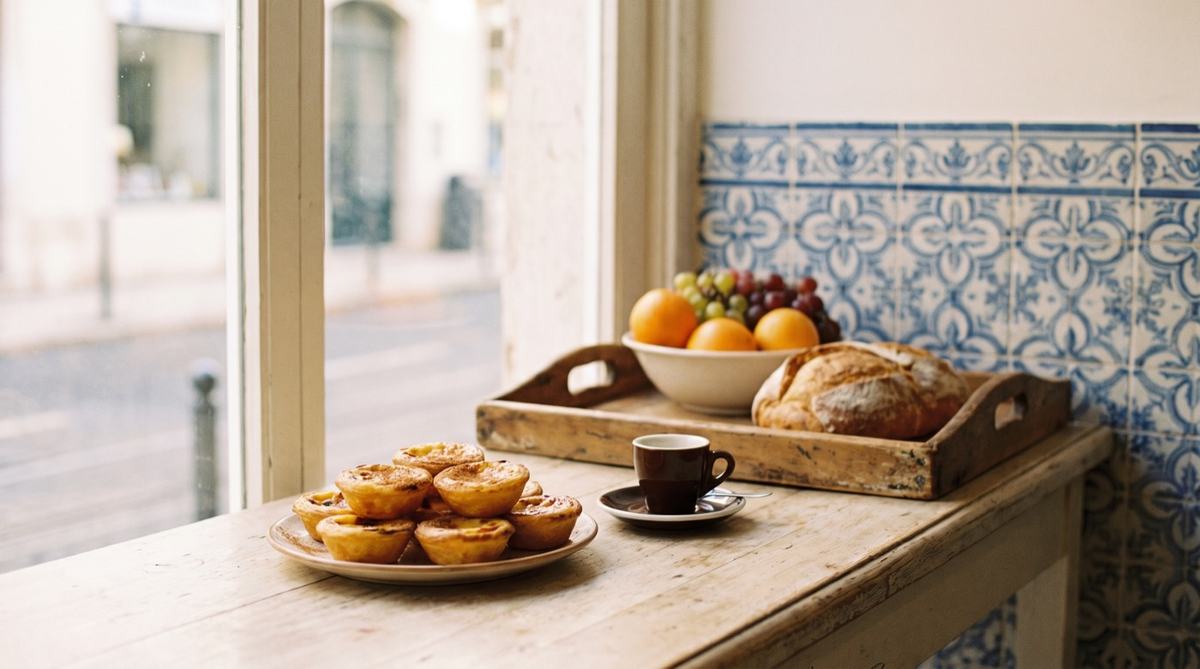
- pão (bread)
- arroz (rice)
- carne (meat)
- peixe (fish)
- frango (chicken)
- legumes (vegetables)
- fruta (fruit)
- sopa (soup)
- salada (salad)
- queijo (cheese)
- ovo (egg)
- água (water)
- sumo (juice — not suco)
- café (coffee)
- chá (tea)
- leite (milk)
- vinho (wine)
- cerveja (beer)
- restaurante (restaurant)
- ementa (menu — not cardápio)
- prato (dish/plate)
- conta (bill)
- empregado de mesa (waiter — avoid the Brazilian garçom)
- reserva (reservation)
- padaria (bakery)
- mercearia (grocer's)
- talho (butcher's)
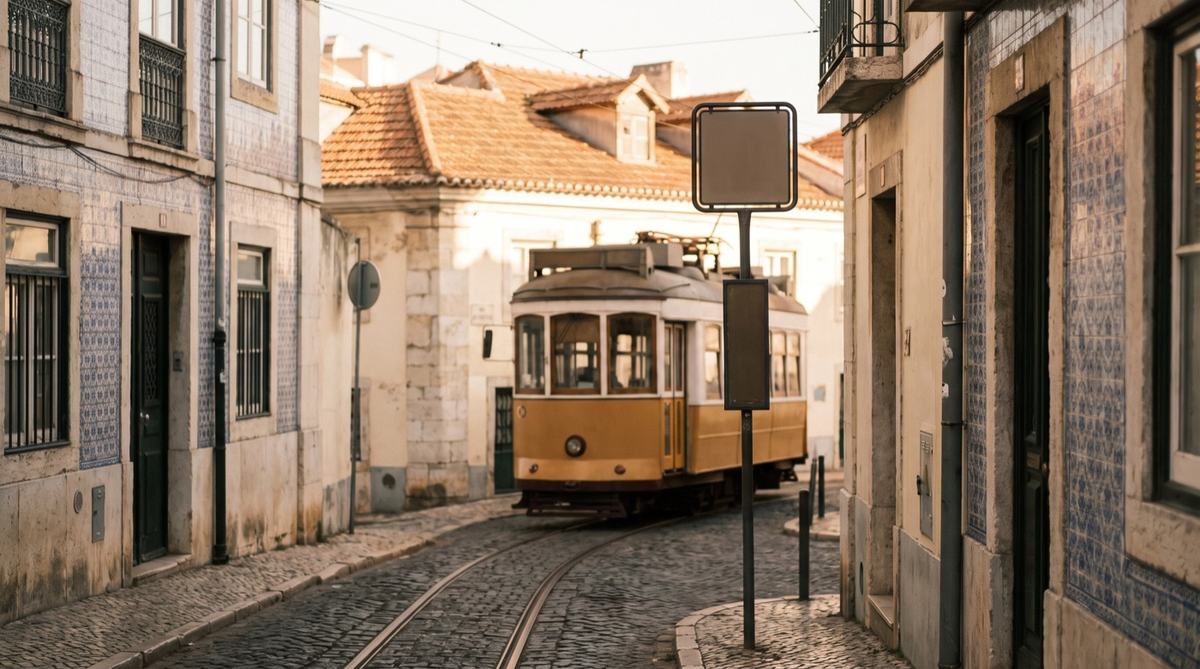
Getting around
- autocarro (bus — not ônibus)
- metro (metro)
- comboio (train — not trem)
- avião (plane)
- táxi (taxi)
- carro (car)
- bicicleta (bicycle)
- a pé (on foot)
- bilhete (ticket)
- passe (travel pass)
- estação (station)
- paragem (bus stop — not ponto)
- aeroporto (airport)
- rua (street)
- praça (square)
- semáforo (traffic light)
- rotunda (roundabout)
- correios (post office)
- banco (bank)
- direita (right)
- esquerda (left)
- em frente (straight ahead)
- virar (to turn)
- seguir (to continue)
- atravessar (to cross)
- perto (near)
- longe (far)
- ao lado de (next to)
- em frente de (in front of)
Shopping and money
- loja (shop)
- supermercado (supermarket)
- mercado (market)
- preço (price)
- desconto (discount)
- promoção (special offer)
- saldos (the sales)
- tamanho (size)
- cor (colour)
- dinheiro (money)
- euros (euros)
- cartão (card)
- multibanco (ATM / the Portuguese payment network — you will hear this word daily in Portugal)
- levantar dinheiro (to withdraw cash)
- pagar (to pay)
- troco (change)
- recibo (receipt)
- caro (expensive)
- barato (cheap)
Time, days, and dates
- segunda-feira
- terça-feira
- quarta-feira
- quinta-feira
- sexta-feira
- sábado
- domingo — plus fim de semana (weekend)
- janeiro
- fevereiro
- março
- abril
- maio
- junho
- julho
- agosto
- setembro
- outubro
- novembro
- dezembro
- hoje (today)
- amanhã (tomorrow)
- ontem (yesterday)
- agora (now)
- depois (later)
- antes (before)
- sempre (always)
- nunca (never)
- às vezes (sometimes)
- cedo (early)
- tarde (late)
- hora (hour)
- minuto (minute)
- meio-dia (midday)
- meia-noite (midnight)
- manhã (morning)
- tarde (afternoon)
- noite (evening/night)
Weather
- tempo (weather)
- sol (sun)
- chuva (rain)
- vento (wind)
- nuvem (cloud)
- frio (cold)
- calor (heat)
- temperatura (temperature)
- neve (snow)
- está sol (it is sunny)
- está a chover (it is raining — the European estar a + infinitive, not the Brazilian está chovendo)
- está frio
- está calor
- está nublado (it is cloudy)

Leisure and free time
- ler (to read)
- escrever (to write)
- ouvir música (to listen to music)
- ver televisão (to watch TV)
- jogar (to play)
- praticar desporto (to do sport — not esporte)
- viajar (to travel)
- passear (to go for a walk)
- festa (party)
- futebol (football)
- cinema
- teatro (theatre)
- parque (park)
- praia (beach)
- museu (museum)
- biblioteca (library)
- ginásio (gym)
Communication and technology
- telefone (telephone)
- telemóvel (mobile phone — not celular)
- mensagem (message)
- carta (letter)
- chamada (call)
- ligar (to call)
- enviar (to send)
- jornal (newspaper)
- notícias (the news)
- computador (computer)
- internet
- palavra-passe (password — not senha in most EP contexts)
- aplicação (app)
Numbers, quantities, and descriptions
- um
- dois
- três
- quatro
- cinco
- seis
- sete
- oito
- nove
- dez
- vinte
- trinta
- cinquenta
- cem
- mil
- muito (a lot)
- pouco (a little)
- alguns (some)
- nenhum (none)
- todo (all)
- mais (more)
- menos (less)
- bastante (quite/enough)
- grande (big)
- pequeno (small)
- novo (new)
- antigo (old)
- bonito (beautiful)
- feio (ugly)
- fácil (easy)
- difícil (difficult)
- importante (important)
- necessário (necessary)
Three things that make CIPLE vocabulary different
European Portuguese, not Brazilian
The CIPLE tests European Portuguese, and the exam-day audio sounds nothing like Brazilian content. Words like autocarro, pequeno-almoço, and casa de banho are specifically European — and if your study material was Brazilian, you may recognise a written word yet miss it completely when spoken. Learn every word with European Portuguese audio.
Words in context, not just translation
Knowing that reunião means "meeting" is not enough — you need Tenho uma reunião às três horas to come out naturally. The writing and speaking components reward contextual use, and flashcards that show a full sentence build that faster than bare translations.
High-frequency words first
If you are short on time: personal information, daily life, health, and time expressions cover the largest share of what you will meet on exam day. Start there.
How to actually learn these words
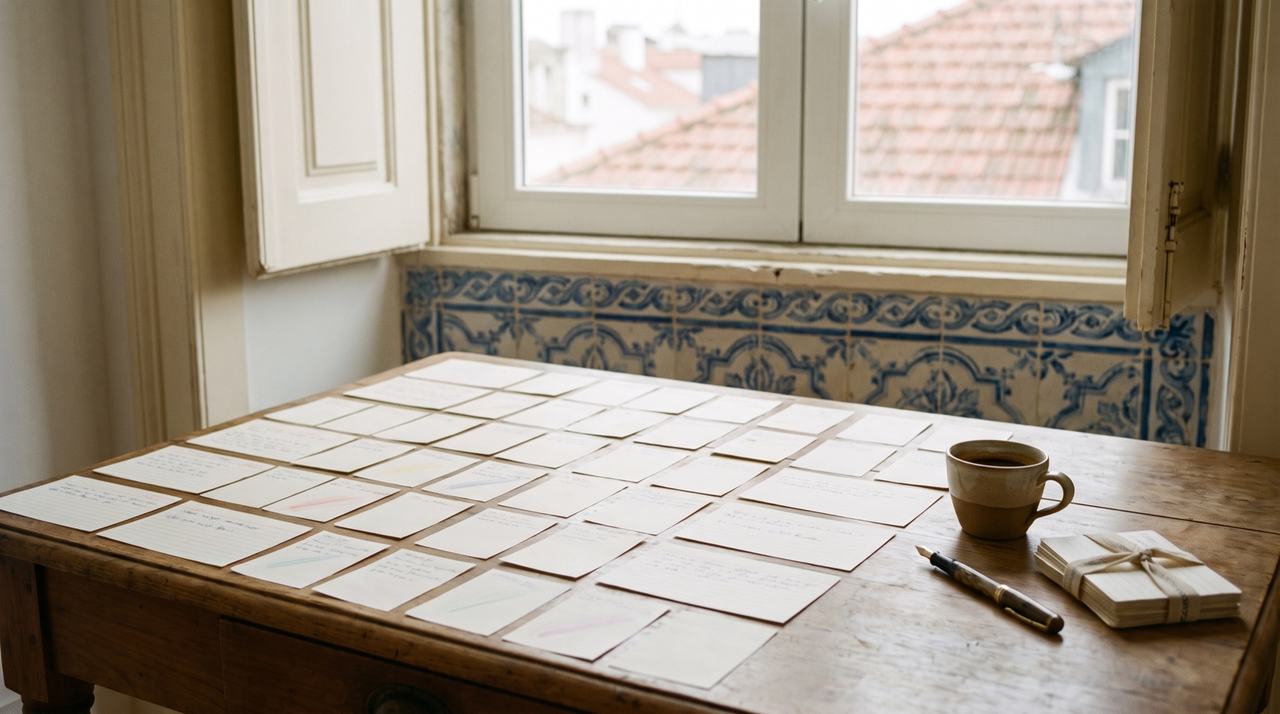
Reading a list once will not make it stick. You need active recall in both directions, European Portuguese audio, and sentence context — spaced over days, not crammed. That combination is exactly what I built into CIPLE Ready's vocabulary trainer: 876 exam-relevant words in 21 themed sets, each with flashcards, PT→EN and EN→PT quizzes, sentence context, and European Portuguese audio. It is the trainer I drilled myself before passing the exam with a Bom — and the free tier lets you start without a card.
Vocabulary is half the foundation; the A2 grammar checklist is the other half.
A note on the 300-word target
These 300 words are not "fluent Portuguese" — A2 overall corresponds to roughly 1,000–1,500 words. But they are the high-frequency core of the exam's own topic areas: master them first and every practice text suddenly gets easier. For the full exam picture beyond vocabulary, see the CIPLE exam overview or What is CIPLE?
Frequently asked questions
How many words do I need to pass?
No official count exists; A2 ≈ 1,000–1,500 high-frequency words, and the 300–500 core exam-topic words give you most of the practical coverage.
Is European Portuguese vocabulary really that different?
Where it differs, the exam notices: autocarro, pequeno-almoço, casa de banho, telemóvel, empregado de mesa. And the accent differs far more than the spelling.
Flashcards or reading texts?
Flashcards first for recall, then A2 reading texts for context — they compound.
How long for 300 words?
Two to three weeks at 20–30 new words a day with spaced review.
Can I do this without a tutor?
Vocabulary — absolutely. Save tutor money for paired speaking practice, where self-study genuinely struggles.
When you are ready to test the foundation, the free 5-minute readiness check shows where you stand today.