Устная часть пугает кандидатов больше всего, но именно к ней часто готовятся хуже, чем к остальным разделам CIPLE. Грамматику можно спокойно зубрить в тишине, а для чтения есть ключи с ответами. Но говорить приходится вживую, и тут уже не получится проверить себя по шпаргалке.
Буду откровенна: в моем сертификате за чтение стоит 90 баллов, за письмо — 99, а вот две «живые» части оказались самыми слабыми (аудирование — 72, говорение — 75). Как раз там, где нельзя свериться с ответами, даже хорошо подготовленные кандидаты теряют баллы. Но есть и хорошая новость: экзаменаторы не ждут от вас идеального португальского. Они смотрят на вполне конкретные вещи, которые легко натренировать.
Как на самом деле проходит устная часть
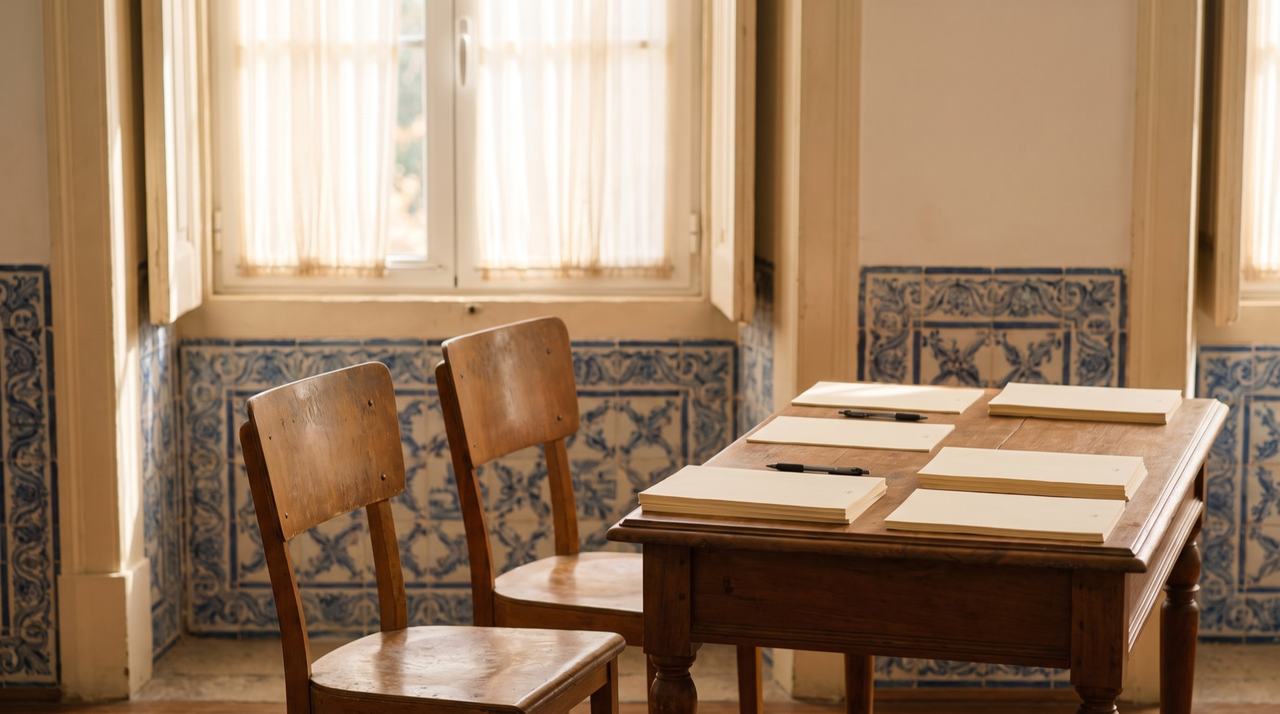
Устный экзамен длится около 15 минут. Вы сдаете его в паре с другим кандидатом, а в кабинете сидят двое экзаменаторов. Именно парный формат чаще всего становится сюрпризом: вы говорите, пока сосед ждет своей очереди, или взаимодействуете с ним в ролевой игре. Ритм здесь совершенно не похож на привычное индивидуальное занятие с репетитором.
Вас ждут три типа заданий на повседневные темы:
- Рассказ о себе: имя, гражданство, работа, семья, распорядок дня — вопросы, ответы на которые можно и нужно подготовить заранее.
- Ролевая игра в типичной ситуации: в магазине, на приеме у врача, в отеле, ресторане или на улице, когда нужно спросить дорогу.
- Описание или обсуждение: нужно описать фотографию или поговорить на простую бытовую тему.
От вас не ждут длинных речей и философских дискуссий. Планка уровня A2 очень практичная: сможете ли вы объясниться по-португальски в простых жизненных ситуациях?
Что оценивают экзаменаторы
CAPLE не публикует подробные критерии оценки в открытом доступе. Поэтому советую относиться с подозрением к любым спискам «официальных требований» в интернете (и к моему тоже). Но сама структура экзамена и стандарты CEFR для уровня A2 позволяют четко расставить приоритеты:
- Состоялась ли коммуникация? Это основа уровня A2. Если по заданию вам нужно купить билет на поезд, купили ли вы его? Простой и прямой ответ, решающий задачу, принесет больше пользы, чем сложная, но уходящая от темы фраза.
- Словарный запас. Базовые союзы (e, mas, porque, então), повседневные глаголы и существительные. Главное — не использовать одни и те же три слова для всего подряд.
- Ошибки, не искажающие смысл. Спутать окончание глагола или забыть артикль на уровне A2 — абсолютно нормально. Баллы снимают только за те ошибки, из-за которых экзаменатор вообще не понимает, что вы хотели сказать.
- Динамика разговора. На этом уровне беглость речи — это просто отсутствие неловких пауз и бесконечных попыток начать фразу заново. Говорить медленно, но уверенно — нормально. А связность значит, что при описании фото вы следуете хоть какой-то логике, а не перепрыгиваете с одной детали на другую.
- Понятное произношение. Идеального акцента никто не требует, важно лишь, чтобы вас понимали. Носовые звуки, редуцированные гласные, lh и nh в европейском португальском даются иностранцам тяжело. Достаточно того, чтобы экзаменатор мог разобрать ваши слова.
Ошибки, за которые реально снижают баллы
- Ступор, если забыли слово. Опишите его другими словами: não sei a palavra, mas é a coisa que se usa para... Умение выкручиваться из таких ситуаций — это огромный плюс для уровня A2, а вот молчание — нет.
- Односложные ответы. O que é que gosta de fazer ao fim de semana? Ответить Descansar и замолчать — недостаточно. Добавьте хотя бы одно предложение: Gosto de descansar em casa e às vezes vou ao parque. Вот и весь секрет.
- Перевод с русского в голове. Старайтесь сразу строить мысль короткими португальскими фразами — уровень A2 не требует от вас сложных конструкций.
- Игнорирование напарника. Если дома вы тренируете только монологи, на экзамене можно легко растеряться. Вам придется говорить в присутствии другого человека и внимательно его слушать, когда задание предполагает диалог.
- Полный отказ от разговорной практики. Самая частая ошибка. Научиться говорить можно только одним способом — открывая рот. Чтение тут не поможет.
Эффективная домашняя тренировка
- Прогоняйте конкретные темы: рассказ о себе, рутина, семья, работа, хобби, покупки, транспорт, здоровье, описание мест. По пять-шесть предложений на каждую тему — вслух и без шпаргалок.
- Засекайте время: давайте себе 30–60 секунд на каждый ответ. Рефлекс «сначала начать говорить, а потом уже почувствовать уверенность» отлично тренируется и буквально спасает на экзамене.
- Записывайте себя на диктофон и переслушивайте на следующий день. Спустя сутки вы начнете замечать собственные ошибки.
- Получайте обратную связь на свои ответы. На платформе CIPLE Ready есть 20 разговорных заданий. Система расшифровывает вашу аудиозапись и оценивает ее — вы наглядно видите, что произнесли четко, а где ошиблись.
- Потренируйте парный формат хотя бы пару раз до экзамена: с партнером, другим кандидатом или репетитором. Это единственная часть, которую я настоятельно рекомендую отрабатывать с живым человеком, даже если ко всему остальному вы готовитесь самостоятельно — в моем полном руководстве по домашней подготовке я объясняю, как это устроить.
Слова, которые вы должны уметь ГОВОРИТЬ, а не просто узнавать
Пассивного словарного запаса хватает для чтения. Но чтобы заговорить в стрессовой ситуации, слова нужно уметь быстро вспоминать и произносить. Перед экзаменом убедитесь, что вы без запинки называете: числительные, даты и время; членов семьи; профессии; глаголы ежедневной рутины (acordar, tomar banho, almoçar, trabalhar, jantar, deitar-se); городские места (supermercado, farmácia, estação, banco) и базовые прилагательные (grande, pequeno, caro, barato, perto, longe). Мой список из 300 слов содержит именно эту самую нужную лексику, а чек-лист по грамматике поможет собрать из этих слов правильные конструкции.
Место устной части в общей подготовке
Устная часть дает 25% от итоговой оценки (проходной балл за весь экзамен — 55%). По правилам CAPLE учитывается только общий результат. Теоретически другие разделы могут компенсировать неудачу в разговоре. Но давайте смотреть правде в глаза: если вы потеряете эту четверть, все остальное придется сдать безупречно. Поэтому уверенная устная речь — ваша главная страховка на экзамене.
Я уже рассказывала, как распределить время на тренировку всех навыков, в 4-недельном или 60-дневном плане подготовки. А если хотите проверить свои силы прямо сейчас, пройдите бесплатный тест на готовность к CIPLE — это займет всего 5 минут.