Чтение и аудирование — самые простые части для самостоятельной подготовки: делаете упражнения, сверяетесь с ответами, повторяете. С письмом и говорением сложнее. Можно целыми днями строить фразы на португальском, но если некому указать на ошибки, вы просто заучиваете собственные промахи. Ниже — система домашних тренировок, которую я советую. Она построена на реальных форматах экзамена.
Для начала разберитесь, чего от вас ждут на экзамене
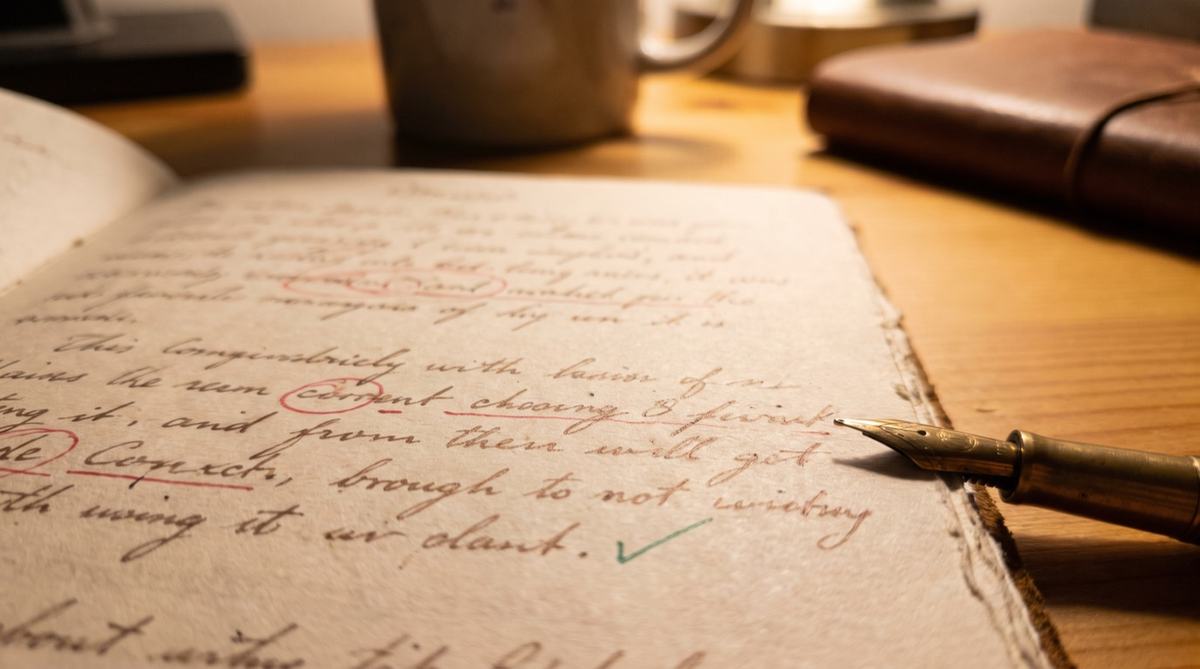
Письменная часть входит в блок «Чтение и письмо» (Reading & Writing, 45% итогового балла, 1 час 15 минут на всё). Вам предстоит написать два коротких текста:
- Текст 1 — от 25 до 35 слов: короткое сообщение другу (приглашение, благодарность или небольшое извинение).
- Текст 2 — от 60 до 80 слов: письмо подлиннее или описание (ваш распорядок дня, район, недавняя поездка).
Устный экзамен (25%) длится около 15 минут и проходит в парах, в присутствии двух экзаменаторов. Он состоит из трех частей: рассказ о себе, ролевая игра (в магазине, у врача, в отеле или ресторане) и обсуждение темы или описание фотографии.
Такая предсказуемость — отличная новость. Получается, вы учите не абстрактный португальский, а тренируете четыре небольших, заранее известных формата.
Письмо дома: ежедневные микрозадачи
Пятнадцать минут занятий каждый день принесут больше пользы, чем два часа в воскресенье. Мой подход такой:
- С понедельника по пятницу — один текст в день. Чередуйте форматы (25–35 и 60–80 слов). Ставьте таймер на 12 минут: на экзамене время жестко ограничено, а неспешная практика дома создает иллюзию уверенности.
- Считайте слова. Недобор слов стоит баллов, а сильный перебор ведет к лишним ошибкам. Выработайте чутье на то, как выглядят 30 и 70 слов на бумаге.
- Используйте экзаменационные темы: семья, еда, распорядок дня, транспорт, встречи, приглашения. Одни и те же ситуации кочуют из варианта в вариант годами.
- Проверяйте себя по чек-листу: окончания глаголов, согласование по роду, графические ударения, пунктуация и хотя бы один союз (porque, mas, depois). Целенаправленный поиск конкретных ошибок работает куда лучше, чем просто перечитывание текста в надежде заметить неточность.
Затем обязательно получайте обратную связь — хотя бы на часть написанного. Преподаватель может проверить ваши недельные труды за один урок. Партнер по языковому обмену сделает это бесплатно. Именно поэтому я добавила проверку с помощью ИИ к каждому из 18 письменных заданий на платформе CIPLE Ready. Нейросеть за пару секунд укажет на ошибки в грамматике, подсчитает слова и оценит, раскрыта ли тема. Это делает ежедневные тренировки максимально эффективными.
Говорение дома: произносите, записывайте, сравнивайте
Сымитировать парный экзамен в одиночку не выйдет, но вы вполне можете подойти к нему с уверенным знанием форматов:
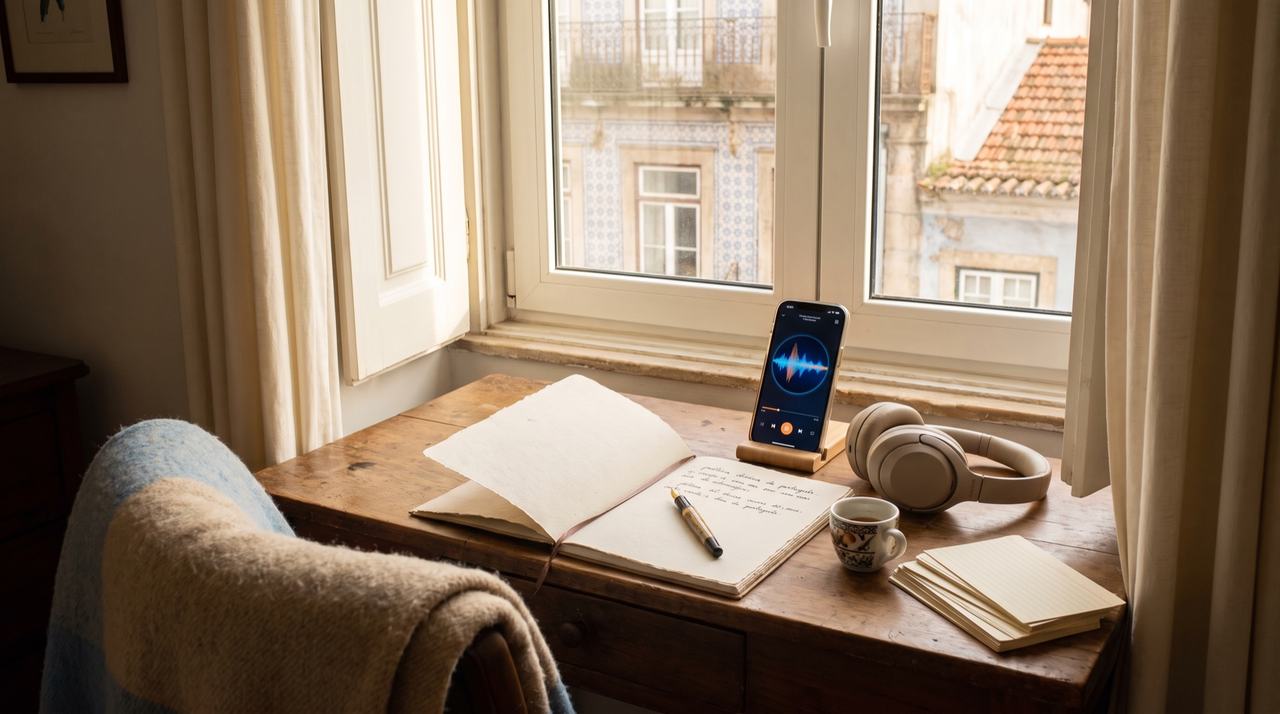
- Ежедневный «шэдоуинг» (shadowing). Десять минут повторяйте вслух аудио на европейском португальском — копируйте ритм и редукцию гласных. Так вы тренируете не только уши, но и речевой аппарат.
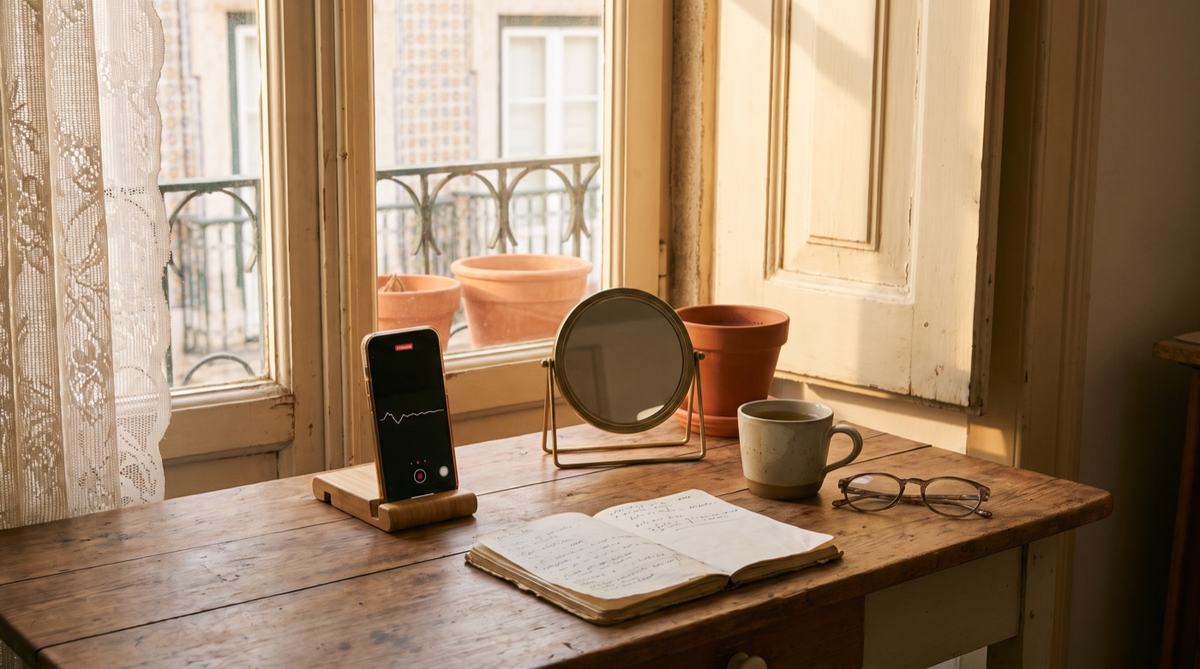
- Записывайте по одному ответу в день. Расскажите о себе, сделайте заказ в ресторане, опишите случайную фотографию с телефона. Переслушивайте на следующий день — благодаря такой паузе вы начнете слышать собственные ошибки.
- Отрабатывайте ролевые игры. Набросайте «скелет» для каждой классической ситуации (магазин, врач, отель, ресторан): приветствие, пара дежурных вопросов, вежливое прощание. На экзамене скорость вашей реакции важнее богатства словарного запаса.
- Сымитируйте парный формат хотя бы пару раз до экзамена — с партнером, репетитором или таким же кандидатом. Говорить, пока кто-то другой ждет своей очереди, — это отдельный навык, который нужно тренировать.
На CIPLE Ready есть 20 заданий для разговорной практики: они записывают голос, делают транскрибацию ответа и дают оценку с помощью ИИ. Я создала эту функцию, потому что по себе знаю: когда слушаешь свою запись, понимаешь, что звучит криво, но не всегда знаешь, где именно ошибка. Однако для отработки парной динамики живой человек все же вне конкуренции. Это единственное, что я настоятельно советую делегировать репетитору, даже если всё остальное вы готовите дома самостоятельно.
Расписание на неделю, которое легко совмещать с работой
- Каждый день (25–30 минут): пишем один текст по таймеру, записываем один устный ответ на диктофон и делаем десять минут шэдоуинга.
- Дважды в неделю: просматриваем проверенные тексты и слушаем свои старые аудиозаписи. Когда вы сами слышите свой прогресс — это лучшая мотивация.
- Раз в неделю: решаем полноценный пробный вариант на время. Письмо в связке с чтением — ровно так, как будет на настоящем экзамене.
- Последние две недели: проводим две симуляции парного говорения и проверяем готовность к экзамену.
Часто задаваемые вопросы
Можно ли полностью подготовиться к письму и говорению CIPLE дома?
В основном — да. Форматы заданий предсказуемы, и их легко отработать. Единственное, о чем придется позаботиться дополнительно, — это обратная связь (репетитор, партнер по языковому обмену или ИИ-проверка). Иначе вы будете писать тексты, которые никто не проверяет, и просто заучивать собственные ошибки.
Нужен ли мне репетитор?
Не обязательно. Но я советую взять два-три урока перед экзаменом, чтобы отрепетировать парный устный тест. Сам по себе этот формат требует отдельной тренировки, независимо от вашего уровня португальского.
Сколько недель потребуется на подготовку?
Если заниматься по 20–30 минут в день, большинству кандидатов с уровнем А2 хватит 4–8 недель, чтобы привыкнуть к форматам заданий. Навык самостоятельного составления предложений формируется в последнюю очередь — после того как вы усвоите грамматику и лексику.
Что делать, если мне не с кем разговаривать по-португальски?
Записывайте свои ответы на диктофон и переслушивайте на следующий день. Ежедневно занимайтесь шэдоуингом, используйте нейросети для оценки произношения и структуры речи. А парочку занятий с репетитором оставьте на последние недели перед экзаменом.
Что дальше: полный план подготовки на 4 недели, моя подборка всех ресурсов для подготовки к CIPLE или базовая информация об экзамене в статье Что такое CIPLE?