Чтобы сдать CIPLE, не нужно учить португальский словарь наизусть. Вам нужны только правильные слова — те, что постоянно мелькают в текстах, аудиозаписях и письменных заданиях уровня A2.
Проблема многих подборок в том, что они рассчитаны на общее изучение языка, а не на конкретный экзамен. В итоге вы тратите часы на лексику, которая на тесте вообще не попадется, и упускаете главное. В этой статье я собрала 300 базовых слов для CIPLE A2, разбив их по темам самого экзамена. Если до сдачи осталось от 4 до 12 недель, сделайте упор именно на них.
Почему словарный запас важнее, чем кажется
CIPLE проверяет четыре навыка: чтение, письмо, аудирование и говорение. Они разбиты на три блока (чтение и письмо — 45%, аудирование — 30%, говорение — 25%). Отдельных тестов на грамматику или лексику нет, они зашиты прямо в задания. Скудный словарный запас будет незаметно тянуть ваши баллы вниз во всех трех частях. Поэтому прицельно пополнять лексическую базу в последние недели перед экзаменом — самое умное, что можно сделать.
Как устроены темы в CIPLE
Экзамен крутится вокруг обычных бытовых ситуаций — никакой абстракции или сложной литературы. Ваша подготовка должна отражать эти ситуации, а не превращаться в бездумную зубрежку по алфавиту. Темы, которые я перечисляю ниже, попадаются в материалах CIPLE A2 постоянно. Для каждой из них я отобрала самые частые слова.
300 слов по темам
Личная информация и документы
- pessoa (человек)
- família (семья)
- marido (муж)
- mulher/esposa (жена)
- filho (сын)
- filha (дочь)
- irmão (брат)
- irmã (сестра)
- criança (ребенок)
- bebé (малыш / младенец)
- amigo (друг)
- vizinho (сосед)
- colega (коллега)
- senhor/senhora (господин/госпожа — обязательно для вежливого обращения)
- nome (имя)
- apelido (фамилия)
- morada (адрес)
- nacionalidade (гражданство / национальность)
- data de nascimento (дата рождения)
- cartão de cidadão (удостоверение личности — современный португальский ID)
- bilhete de identidade (устаревшее название ID, но в материалах всё ещё встречается)
- passaporte (паспорт / загранпаспорт)
- reformado (пенсионер — регулярно попадается в текстах про людей)
- alto (высокий)
- baixo (низкий)
- jovem (молодой)
- velho (старый)
- simpático (приятный / дружелюбный)
- tímido (застенчивый)
Дом и повседневность
- casa (дом)
- apartamento (квартира)
- quarto (комната / спальня)
- sala (гостиная)
- cozinha (кухня)
- casa de banho (ванная — в европейском португальском, не banheiro)
- jardim (сад)
- andar (этаж)
- rés-do-chão (первый, то есть «нулевой» этаж)
- chave (ключ)
- elevador (лифт)
- renda (арендная плата)
- cama (кровать)
- mesa (стол)
- cadeira (стул)
- sofá (диван)
- janela (окно)
- porta (дверь)
- armário (шкаф)
- frigorífico (холодильник — не geladeira)
- acordar (просыпаться)
- levantar-se (вставать)
- tomar banho / tomar um duche (принимать ванну / душ)
- pequeno-almoço (завтрак — не café da manhã)
- almoço (обед)
- jantar (ужин)
- deitar-se (ложиться спать)
- dormir (спать)
- limpar (убирать / чистить)
- cozinhar (готовить)
- lavar (мыть / стирать)
- arrumar (наводить порядок)
- fazer compras (делать покупки)
Работа и учеба
- trabalho (работа)
- emprego (работа / должность)
- empresa (компания)
- escritório (офис)
- loja (магазин)
- escola (школа)
- hospital (больница)
- médico (врач)
- professor (учитель / преподаватель)
- enfermeiro (медбрат / медсестра)
- secretária (секретарь)
- trabalhar (работать)
- estudar (учиться)
- aprender (изучать / учить)
- ensinar (преподавать / обучать)
- reunião (собрание / встреча)
- horário (расписание / график)
- salário (зарплата)
- contrato (договор / контракт)
- férias (отпуск / каникулы — сплошь и рядом в текстах A2)
- feriado (праздничный выходной)
Здоровье и тело
- cabeça (голова)
- braço (рука)
- perna (нога)
- mão (кисть руки)
- pé (ступня)
- costas (спина)
- estômago (желудок)
- garganta (горло)
- olho (глаз)
- ouvido (ухо)
- doente (больной)
- dor (боль)
- febre (температура / жар)
- tosse (кашель)
- gripe (грипп)
- constipação (простуда — классический ложный друг переводчика)
- consulta (прием у врача)
- marcar uma consulta (записаться на прием к врачу — составители диалогов просто обожают эту фразу)
- farmácia (аптека)
- medicamento (лекарство)
- receita (рецепт)
- bem (хорошо)
- mal (плохо)
- cansado (уставший)
- melhor (лучше)
- pior (хуже)
Еда и напитки
- pão (хлеб)
- arroz (рис)
- carne (мясо)
- peixe (рыба)
- frango (курица)
- legumes (овощи)
- fruta (фрукты)
- sopa (суп)
- salada (салат)
- queijo (сыр)
- ovo (яйцо)
- água (вода)
- sumo (сок — не suco)
- café (кофе)
- chá (чай)
- leite (молоко)
- vinho (вино)
- cerveja (пиво)
- restaurante (ресторан)
- ementa (меню — не cardápio)
- prato (блюдо / тарелка)
- conta (счет)
- empregado de mesa (официант — забудьте про бразильское garçom)
- reserva (бронирование)
- padaria (пекарня)
- mercearia (продуктовый магазин)
- talho (мясной магазин)
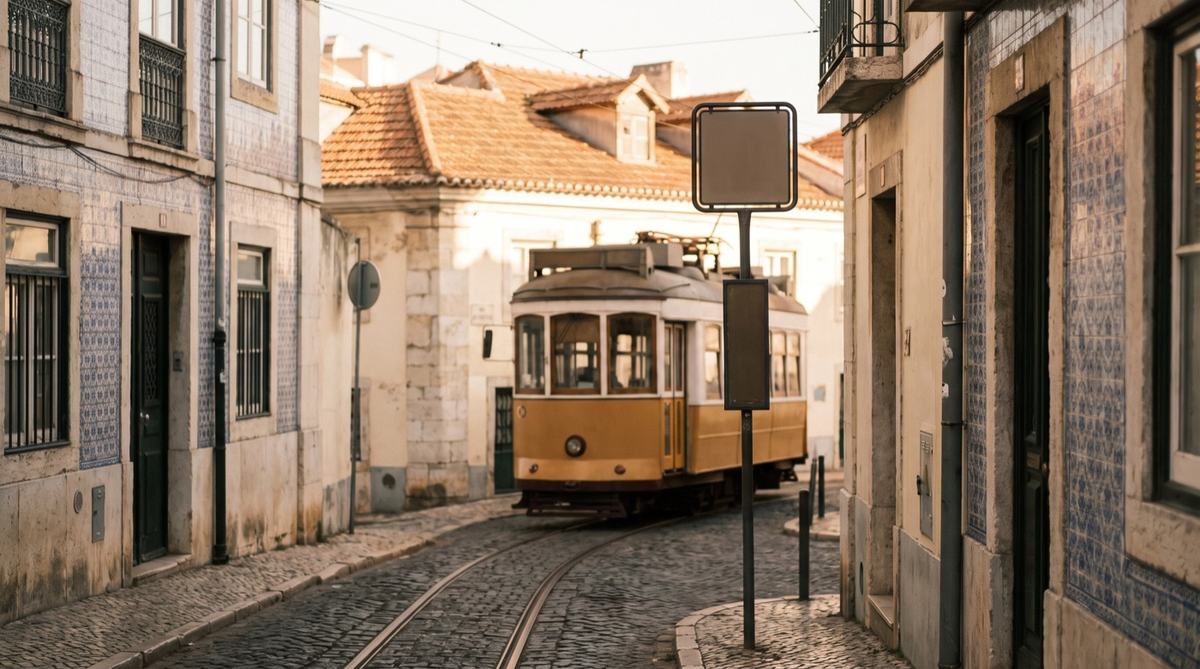
Транспорт и город
- autocarro (автобус — не ônibus)
- metro (метро)
- comboio (поезд — не trem)
- avião (самолет)
- táxi (такси)
- carro (машина)
- bicicleta (велосипед)
- a pé (пешком)
- bilhete (билет)
- passe (проездной)
- estação (станция / вокзал)
- paragem (остановка — не ponto)
- aeroporto (аэропорт)
- rua (улица)
- praça (площадь)
- semáforo (светофор)
- rotunda (круг / кольцевая развязка)
- correios (почта)
- banco (банк)
- direita (направо / правый)
- esquerda (налево / левый)
- em frente (прямо)
- virar (повернуть)
- seguir (продолжать движение)
- atravessar (переходить)
- perto (близко)
- longe (далеко)
- ao lado de (рядом с)
- em frente de (напротив / перед)
Покупки и деньги
- loja (магазин)
- supermercado (супермаркет)
- mercado (рынок)
- preço (цена)
- desconto (скидка)
- promoção (акция)
- saldos (распродажа)
- tamanho (размер)
- cor (цвет)
- dinheiro (деньги)
- euros (евро)
- cartão (карта)
- multibanco (банкомат / платежная система — в Португалии вы будете слышать это слово ежедневно)
- levantar dinheiro (снимать наличные)
- pagar (платить)
- troco (сдача)
- recibo (чек / квитанция)
- caro (дорогой)
- barato (дешевый)
Время, дни и даты
- segunda-feira
- terça-feira
- quarta-feira
- quinta-feira
- sexta-feira
- sábado
- domingo — а еще fim de semana (выходные)
- janeiro
- fevereiro
- março
- abril
- maio
- junho
- julho
- agosto
- setembro
- outubro
- novembro
- dezembro
- hoje (сегодня)
- amanhã (завтра)
- ontem (вчера)
- agora (сейчас)
- depois (потом / позже)
- antes (до / раньше)
- sempre (всегда)
- nunca (никогда)
- às vezes (иногда)
- cedo (рано)
- tarde (поздно)
- hora (час)
- minuto (минута)
- meio-dia (полдень)
- meia-noite (полночь)
- manhã (утро)
- tarde (день / вечер)
- noite (вечер / ночь)
Погода
- tempo (погода / время)
- sol (солнце)
- chuva (дождь)
- vento (ветер)
- nuvem (облако / туча)
- frio (холод)
- calor (жара)
- temperatura (температура)
- neve (снег)
- está sol (солнечно)
- está a chover (идет дождь — европейская конструкция estar a + инфинитив, а не бразильское está chovendo)
- está frio (холодно)
- está calor (жарко)
- está nublado (облачно / пасмурно)

Отдых и свободное время
- ler (читать)
- escrever (писать)
- ouvir música (слушать музыку)
- ver televisão (смотреть телевизор)
- jogar (играть)
- praticar desporto (заниматься спортом — не esporte)
- viajar (путешествовать)
- passear (гулять)
- festa (вечеринка / праздник)
- futebol (футбол)
- cinema
- teatro (театр)
- parque (парк)
- praia (пляж)
- museu (музей)
- biblioteca (библиотека)
- ginásio (тренажерный зал)
Связь и технологии
- telefone (телефон)
- telemóvel (мобильный телефон — не celular)
- mensagem (сообщение)
- carta (письмо)
- chamada (звонок)
- ligar (звонить)
- enviar (отправлять)
- jornal (газета)
- notícias (новости)
- computador (компьютер)
- internet
- palavra-passe (пароль — в европейском португальском обычно используют именно это слово, а не senha)
- aplicação (приложение)
Числа, количество и описание
- um
- dois
- três
- quatro
- cinco
- seis
- sete
- oito
- nove
- dez
- vinte
- trinta
- cinquenta
- cem
- mil
- muito (много)
- pouco (мало)
- alguns (несколько / некоторые)
- nenhum (никакой / ни один)
- todo (весь / всё)
- mais (больше)
- menos (меньше)
- bastante (достаточно / довольно)
- grande (большой)
- pequeno (маленький)
- novo (новый)
- antigo (старый / старинный)
- bonito (красивый)
- feio (уродливый / некрасивый)
- fácil (легкий)
- difícil (трудный)
- importante (важный)
- necessário (необходимый)
Три особенности лексики для CIPLE
Европейский, а не бразильский португальский
CIPLE проверяет знание европейского португальского, и аудио на экзамене совершенно не похоже на бразильский вариант. Слова вроде autocarro, pequeno-almoço и casa de banho — чисто европейские. Если вы учились по бразильским материалам, то в тексте слово, может, и узнаете, но на слух не воспримете вообще. Учите каждое слово только с европейской озвучкой.
Учите слова в контексте, а не просто перевод
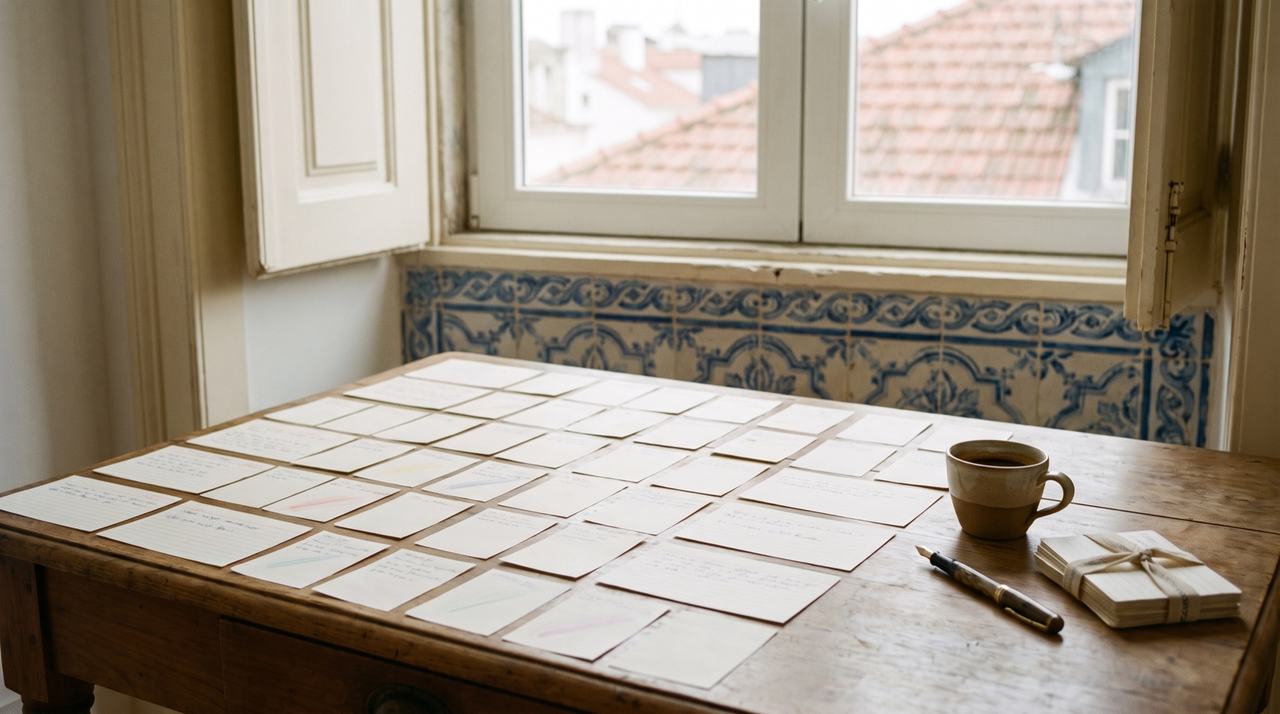
Мало знать, что reunião — это «встреча». Нужно, чтобы фраза Tenho uma reunião às três horas слетала с языка легко и естественно. На письменной и устной частях экзамена умение использовать слова в контексте дает дополнительные баллы. Карточки с целыми предложениями тренируют этот навык куда быстрее, чем обычная зубрежка переводов.
Сначала — самое частое
Если времени в обрез, имейте в виду: личная информация, быт, здоровье и время — это львиная доля того, что встретится вам на экзамене. Начните именно с этих тем.
Как реально выучить все эти слова
Пробежаться по списку глазами — не значит всё запомнить. Нужно вспоминать слова в обоих направлениях, слушать европейское аудио и видеть контекст, причем с помощью интервальных повторений, а не пытаясь впихнуть в себя всё в последнюю ночь. Именно такой подход я заложила в лексический тренажер CIPLE Ready. Там 876 слов для экзамена, разбитых на 21 тему. В каждой есть карточки, квизы PT→EN и EN→PT, предложения с контекстом и правильная европейская озвучка. Я сама гоняла себя по этому тренажеру, прежде чем сдать экзамен на оценку Bom. На бесплатном тарифе можно начать заниматься даже без привязки карты.
Лексика — лишь половина фундамента. Вторая половина — это чек-лист грамматики уровня A2.
Пара слов о нашей цели в 300 слов
Эти 300 слов не сделают ваш португальский свободным. Уровень A2 вообще предполагает запас где-то в 1000–1500 слов. Но наш список — это частотное ядро главных экзаменационных тем. Освойте его в первую очередь, и любой тренировочный текст сразу станет намного понятнее. А чтобы лучше представлять, что вас ждет на тестировании помимо лексики, загляните в обзор экзамена CIPLE или почитайте Что такое CIPLE?
Частые вопросы
Сколько слов нужно знать, чтобы сдать экзамен?
Официальных требований нет. Обычно для A2 нужно знать 1000–1500 самых частых слов, но именно эти 300–500 базовых слов по темам экзамена закроют большинство ваших потребностей на CIPLE.
Европейский португальский правда так сильно отличается?
Там, где есть разница, экзамен обязательно сделает на ней акцент: autocarro, pequeno-almoço, casa de banho, telemóvel, empregado de mesa. Да и произношение отличается куда сильнее, чем написание.
Что лучше: карточки или тексты?
Сначала карточки для запоминания, а потом тексты уровня A2 для понимания контекста. Они отлично работают в паре.
Сколько времени нужно на 300 слов?
Хватит двух-трех недель, если учить по 20–30 новых слов в день и использовать метод интервального повторения.
Смогу ли я выучить их без репетитора?
Слова — абсолютно точно да. Лучше сэкономьте деньги на репетитора для практики устной речи в паре. Вот к ней готовиться в одиночку действительно сложно.
А когда решите проверить свою базу, пройдите бесплатный 5-минутный тест на готовность. Он покажет, на каком уровне вы находитесь прямо сейчас.